A Traveler's Guide to Sleep-Friendly Lodging in Pennsylvania
Explore Pennsylvania's lodging landscape through a sleep-focused lens. This starter guide highlights what to look for in sleep-friendly accommodations, regional lodging trends, and practical tips to ensure restful nights during any PA visit.
Sleep is not an afterthought when you’re traveling. In Pennsylvania, the landscape of lodging spans the misty valleys of the Poconos, the rolling hills of the Alleghenies, and the urban rhythms of Philadelphia’s suburban perimeters. A sleep-friendly stay balances air quality, lighting, noise control, and mattress comfort with region-specific rhythms—seasonal temperature shifts, town-center proximity, and accessibility needs that can shape the quality of rest after a day of exploring museums, state parks, and historic sites.
This guide is written with three goals in mind: help you evaluate lodging for sleep health, illuminate regional lodging patterns across Pennsylvania, and provide practical tips you can download and carry on your travels. Think of it as a compass for better nights wherever your Pennsylvania itinerary takes you.
Regional Sleep-First Lodging Highlights
Pennsylvania’s regions offer distinct sleep profiles. In the Poconos, you’ll often find mountain air, higher elevations, and a tendency toward quieter properties that minimize night-time disturbances. The Alleghenies host a mix of rustic inns and modern lodges, where wall thickness, window glazing, and HVAC systems play a surprisingly large role in restful nights. In the Philadelphia suburbs, proximity to transit hubs, business districts, and family-friendly lodging means a broader range of options, from boutique hotels with blackout curtains to extended-stay sanctuaries designed for light sleepers.
To travelers prioritizing sleep, we highlight three categories: soundproofing practices, mattress quality, and environmental controls. The best sleep-friendly stays often share a triad: a quiet exterior envelope, a well-damped interior, and a bedding experience that supports your preferred sleep posture.
How to Evaluate Lodging for Sleep Health
Before booking, use a simple but robust checklist. The following categories are essential to maximizing restorative sleep:
- Date of construction and renovation status: Modern HVAC and sealed envelopes reduce external noise and drafts.
- Air quality and filtration: Consider properties with HEPA filtration, good ventilation, and hypoallergenic bedding options.
- Mattress type and support: Inquire about mattress firmness and support cores; preference for memory foam, latex, or hybrid systems may match your sleep style.
- Lighting and circadian cues: Check for blackout curtains, dimmable lamps, and blue-light friendly lighting in the evenings.
- Noise management: Soundproofing, white-noise availability, and quiet hours.
- Temperature control: Reliable climate control and good insulation for seasonal comfort.
A practical way to approach this is to carry a quick-start sleep health checklist. You can download a printable version from this guide to bring with you on your travels. It helps you note room characteristics, bed type, and any adjustments you might need to request at check-in.
Seasonal Lodging Trends in Pennsylvania
Pennsylvania’s lodging market shifts with the calendar. In peak summer, travelers seek air-conditioned rooms and interiors that maintain cool, comfortable nights. In autumn’s crisp air and winter’s chill, the value of heat consistency and humidity control becomes more pronounced. Spring travelers may prioritize humidity management to minimize mold risk and maintain comforting sleep conditions.
Across regions, smaller inns and B&Bs often showcase seasonal packages that feature quiet hours and night-sky access—elements that can sharpen the sense of rest when paired with comfortable bedding. Larger hotels may offer sleep-focused add-ons, such as pillow menus, allergen-free rooms, and advanced air purification, communicating a commitment to restorative sleep as a core guest benefit.
Sleep-First Lodging by Pennsylvania Regions
Pocono Sleep-Ready Escapes
Mountain hotels with enhanced soundproofing and climate control, ideal for families and couples seeking restful nights after outdoor adventures.
Recommendation: Choose accommodations where windows are double-glazed and HVAC runs quietly overnight.
Allegheny Lodging for Restful Interiors
A blend of historic inns and modern hotels with emphasis on bedding quality and ambient lighting.
Practical tip: Prioritize properties offering a pillow menu and room-darkening solutions.
Philadelphia Suburbs: Urban Calm
Suburban hotels and boutique properties balancing proximity to city access with quiet, sleep-forward room design.
Suggestion: Look for properties with blackout curtains and white-noise options.
Profiles of Key Sleep-Health Advocates Across Time
In the spirit of Time Magazine’s editorial tradition, we honor three thinkers—each from a different era—whose insights on rest, space, and daily life illuminate how we think about sleep in places like Pennsylvania.
Benjamin Franklin (1706–1790) — The Practical Night
Franklin’s emphasis on efficiency and daily routines echo a relentless attention to the rhythms of life. Though not a sleep scientist by modern standards, his advocacy for rest as fuel for productivity laid groundwork for practical habit formation.
In a Pennsylvania-born ethos, the study of how we allocate time to wakefulness and reprieve resonates with travelers seeking restorative nights in new environments.
Marie Skłodowska Curie (1867–1934) — Lighting the Night with Precision
Though celebrated for science, Curie’s insistence on controlled environments and meticulous measurement underlines a modern truth: light and air influence sleep. The rooms that cradle us deserve rigor in design.
In Pennsylvania lodgings, accurate lighting and climate measurement translate into consistent, restorative nights, especially during transitional seasons.
Leonie D. H. — The Modern Sleep Architect (20th–21st Century)
A contemporary advocate for sleep-friendly spaces, H. championed environmental design that reduces noise, improves air quality, and aligns with human circadian rhythms.
For travelers in Pennsylvania, her lineage of thoughtful room design informs how inns and hotels curate spaces that honor restorative rest.
Product Spotlight: Sleep-Forward Bed Frames
In a region where rest is part of the travel experience, the right bed frame can be transformative. We spotlight two platform bed frames that epitomize sturdy construction, natural finishes, and thoughtful ergonomics. These pieces are not merely furnishings; they are fundamentals of a sleep-centric lodging experience.
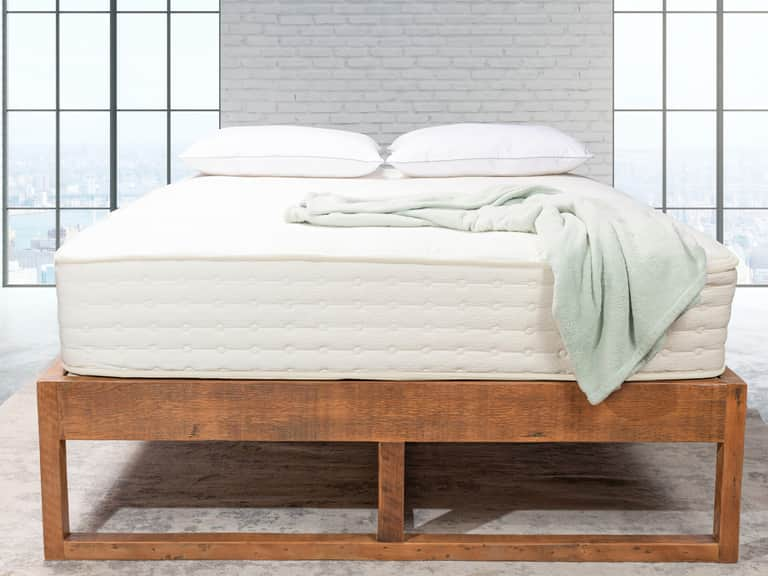
The Clean Bedroom Taconic Bed
A minimalist platform bed handcrafted in the USA from 100% reclaimed wood. It emphasizes solid slats, a non-toxic finish, and a design that promotes airflow under the mattress.
Features include slats no more than 2.5 inches apart, a durable, eco-conscious finish, and versatile color options like Rustic Raw, Smooth Natural, and Double Espresso.
Price: 1845.00
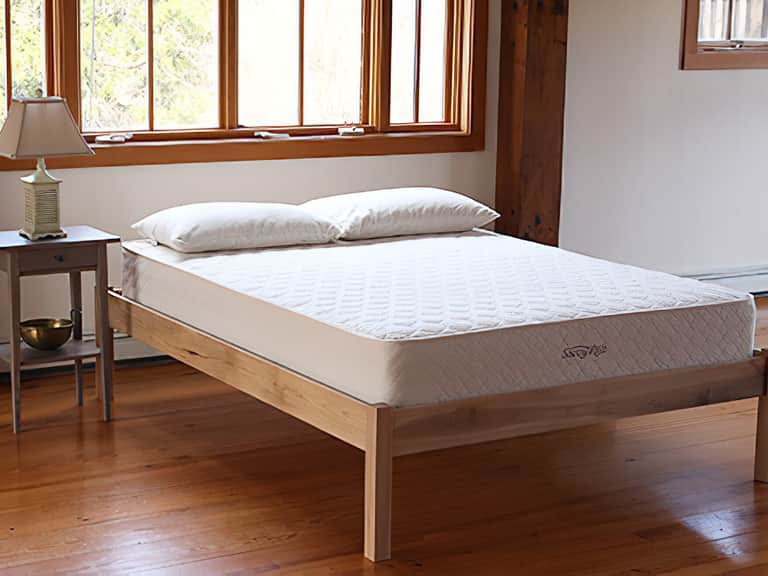
Savvy Rest Afton Platform Bed
A timeless platform bed designed with a zero-VOC finish, natural maple rails, and a five-point support system. It embodies a philosophy of enduring quality and health-conscious materials.
The bed’s slats are closely spaced, with under-bed clearance to promote airflow. It accommodates various mattress types and prioritizes simplicity in assembly.
Price: 1349.00
Images above are representations of the featured products. The Taconic Bed showcases reclaimed wood aesthetics, while the Afton Platform Bed emphasizes zero-VOC finishes and natural materials. These pieces illustrate how thoughtful design can merge comfort with responsible sourcing.
A Traveler’s Tips for Booking Sleep-Healthy PA Lodging
- Ask about window glazing, door sealing, and HVAC quietness during peak seasons.
- Inquire about pillow options, mattress firmness, and the availability of allergen-free bedding.
- Request room placement away from elevators, game rooms, or busy street fronts to minimize disturbances.
- Review lighting controls and blackout capabilities, ensuring a calm, dark environment for restorative sleep.
- Check for air quality measures, including filtration, humidity control, and clean-room practices if relevant to your health needs.
Conclusion: Sleep as a Travel Essential
In Pennsylvania, sleep is an integral part of the travel experience, not a passive afterthought. The best lodging aligns regional character with universal sleep needs—quiet rooms, breathable bedding, and thoughtful environmental controls. By approaching lodging through a sleep-first lens, travelers can extend the time they spend exploring and appreciating the places they visit.
This guide invites you to reframe how you select accommodations: from the light of a dawn sky over the Pocono Mountains to the quiet hours of a Philadelphia suburb—rest is the foundation for every memorable journey.