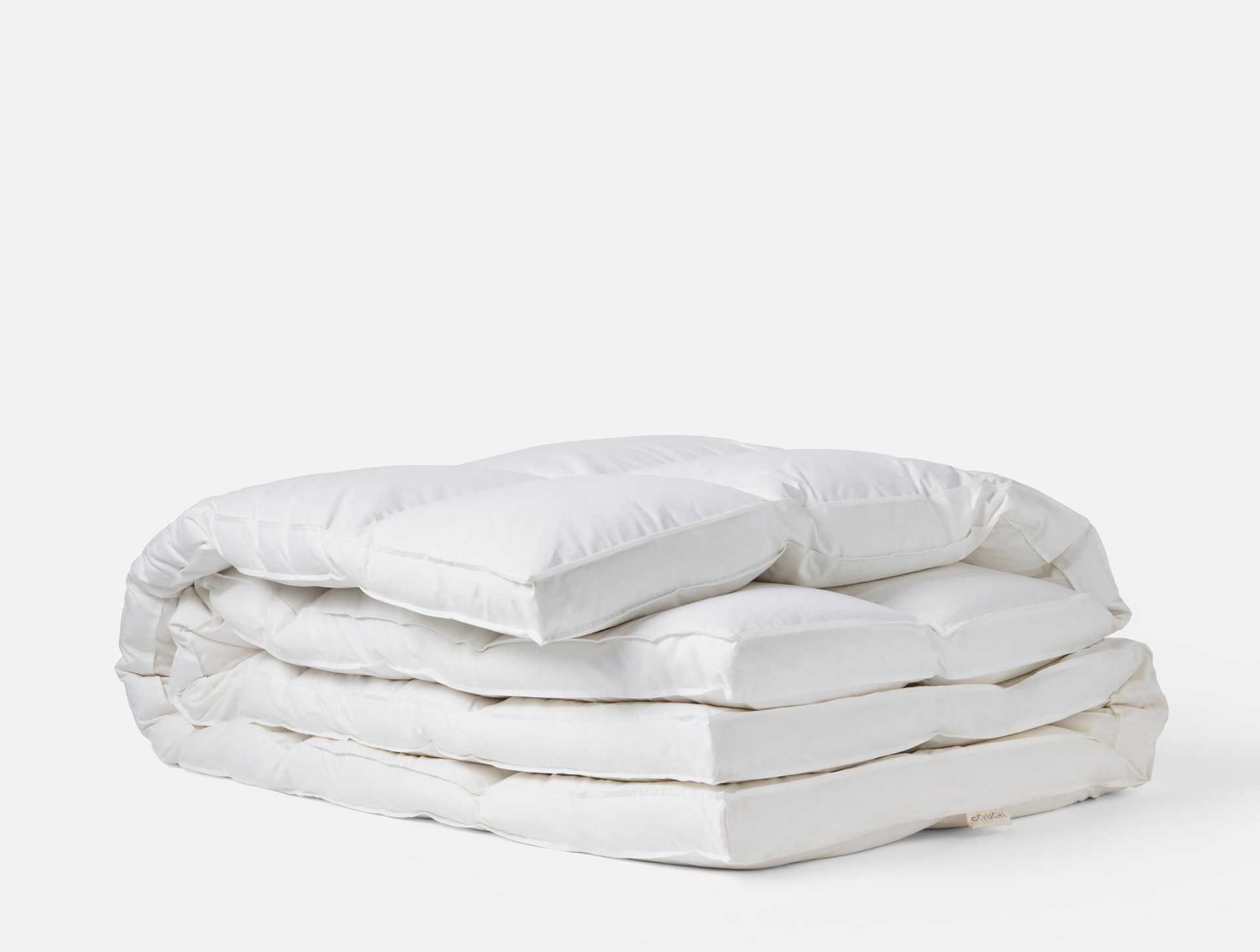
Bedding includes the soft layers used to support sleep, regulate comfort, and protect a mattress. Sheets, blankets, comforters, and pillows each serve a distinct function, while their materials and construction influence warmth, breathability, texture, and upkeep. Understanding these characteristics helps households choose bedding suited to climate, sleep habits, and personal comfort needs.
Pillows help position the head and neck during rest, with appropriate loft and firmness depending on sleeping posture and individual preference. Down pillows use soft clusters from waterfowl to create a lightweight, compressible fill. Their flexible structure can provide gentle cushioning, while a breathable outer cover helps manage everyday contact and airflow.
A Down Pillow may feel plush and readily mold to the sleeper’s shape, making it useful for people who prefer adjustable, yielding support. Fill quantity and pillow construction affect loft and firmness, so these details matter when comparing down pillows. Care instructions also vary; regular airing and suitable cleaning can help maintain freshness.
Bedding works alongside bedroom furniture to create a functional sleep setup. Platform bed frames support a mattress on a solid or slatted base and generally do not require a separate box spring, though compatibility depends on frame design and mattress requirements. Coordinating pillow height and bedding layers with the bed can improve comfort and fit.
When assessing bedding, consider material sensitivity, temperature preferences, sleeping position, and maintenance needs. Down-filled products may require specific cleaning and can be unsuitable for people with certain allergies; alternative fills are available. Coordinated pillows, covers, and blankets can contribute to a comfortable sleep environment without changing the essential function of bedroom furniture.
 Bedding